
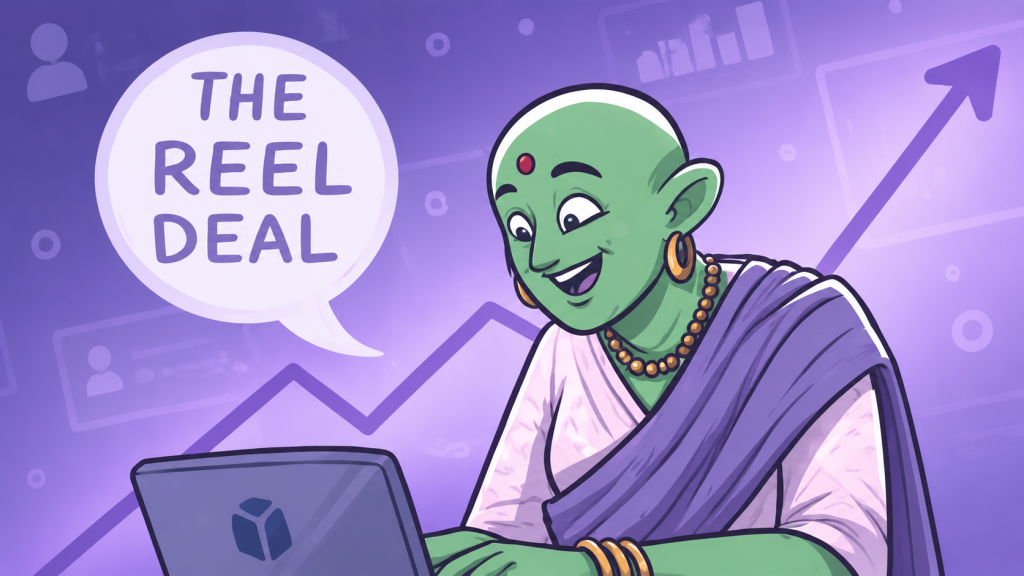
Have you ever heard of Ganji Chudail? We bet you have!
An animated, quirky, green-skinned, bald witch who has a better social life than most of us. Majedar Kahani (Funny Story), a popular YouTube channel with more than 9 million subscribers, is the mastermind behind Ganji Chudail.
Not sure about her rise in the ghoul community, but brands are surely crazy about her antics. She doesn’t scare people with her teeth or jump scares — she thrills marketers with engagement numbers, likes, and terrifying ROI stats!
From platforms like YouTube to Myntra and even Shaadi.com, every collab with this animated oddity has spiked millions of views, turning her presence into marketing gold.
As algorithms improved and data became more accessible, brands intensified social listening, gaining deeper insights into consumer pain points and mindset patterns. Those paying attention noticed something crucial: people were craving personal connection, and attention spans were collapsing to 3 seconds.
The shift is undeniable —According to Sprout Social, the global digital video advertising market is expected to grow from $104.65 billion in 2024 to $140.18 billion by 2025.
Consumers are building their own digital echo chambers, filled with content and communities they relate to.
For brands, gaining entry into those spaces comes down to one thing: being relatable.
From Reading to Watching: How It All Began
The transition from written content to visual storytelling didn’t happen overnight.
In the late 2000s, with limited platforms available to create and share videos, marketing was largely dominated by static visuals. The landscape began to shift when YouTube launched in 2005, gradually ushering video into the digital mainstream.
By 2012, after Facebook acquired Instagram and expanded it to Android users, the platform quickly captured mass attention with its focus on bite-sized content and hashtag-driven discovery. The arrival of Stories in 2016 and Reels in 2020 further marked significant phases in how audiences consume digital content. However, the real catalyst was the pandemic era and the explosive rise of TikTok. Although TikTok launched in 2016, a report by Statista shows the platform experienced a massive 180% growth among 15–25-year-olds in the United States during the COVID-19 outbreak, accelerating the global dominance of short-form video culture.
Fast forward to 2025, and now short-form videos have risen as the gold standard marking effective content consumption. According to Statista, Instagram Stories are used by 500 million users daily, with over one-third of the most-viewed Stories coming from businesses. Meanwhile, Instagram Reels account for 22% of total engagement on the platform — surpassing static posts by a long shot.
The Psychology of the Scroll
We are in an era where personal connections are failing, global warming is increasing, the economy is shaky — and the only thing we desperately seek is constant validation with a pinch of motivation.
Here’s where it gets dark — and opportunistic for marketers.
Reels and Stories are built around:
- Hedonic adaptation (we constantly crave novelty)
- Identity signaling (we share what reflects us)
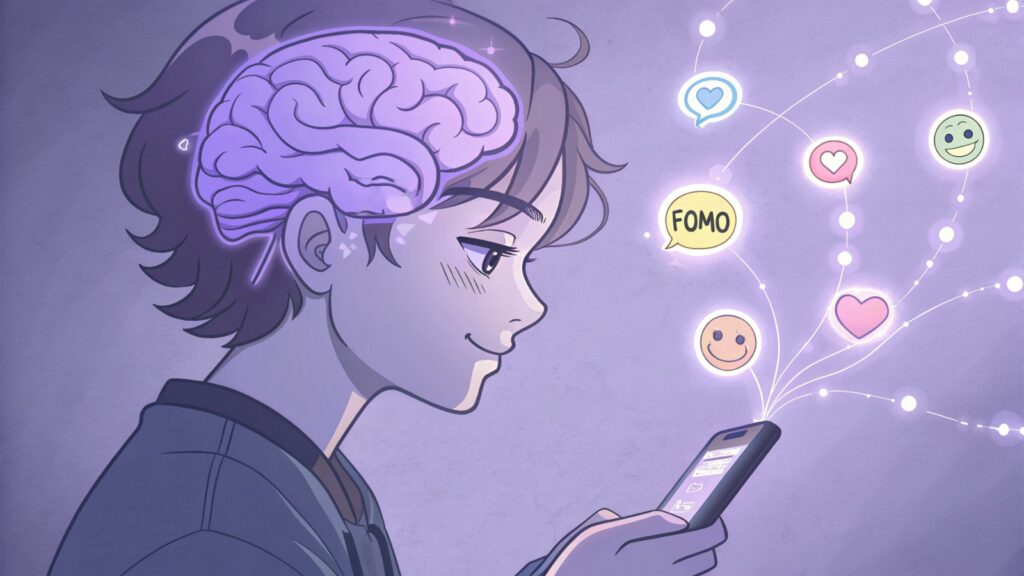
- Micro-dopamine hits (likes, reactions, loops)
Visual storytelling taps into emotional resonance much faster than words.
Combine that with infinite discovery algorithms, and the result?
We start enjoying that adrenaline rush because it’s emotionally rewarding.

Key Features of Visual Storytelling Through Stories & Reels
1. Ephemerality vs Permanence :
- Stories play on FOMO and real-time behavior. Their short lifespan demands instant attention.
- Reels offer evergreen content that lives beyond 24 hours — optimised for discovery.
2. Visual Intensity :
- Vertical framing maximises mobile screen space, mimicking real-life perspective.
- Reels allow for high-edit content: transitions, audio sync, effects.
- Stories invite raw, unfiltered takes — enhancing relatability.
3. Emotional Resonance :
According to Keller’s Brand Equity Model, the strongest brands are those that build meaningful associations in consumers’ minds.
Stories and Reels deliver this through:
- Narrative arcs in micro timeframes
- Sensory cues (music, motion, voiceovers)
- Social proof (polls, UGC, influencer tags)
4. Immersive Features :
- Stickers, polls, quizzes (Stories)
- Audio alignment, camera effects, trending music (Reels)
- Links, swipe-ups, shoppable tags
These features don’t just entertain — they invite participation, leading to stronger brand recall.
How Brands Are Actually Using Reels and Stories
1. Awareness Amplification :
Brands use Reels to break into wider circles — like smart, targeted billboards.
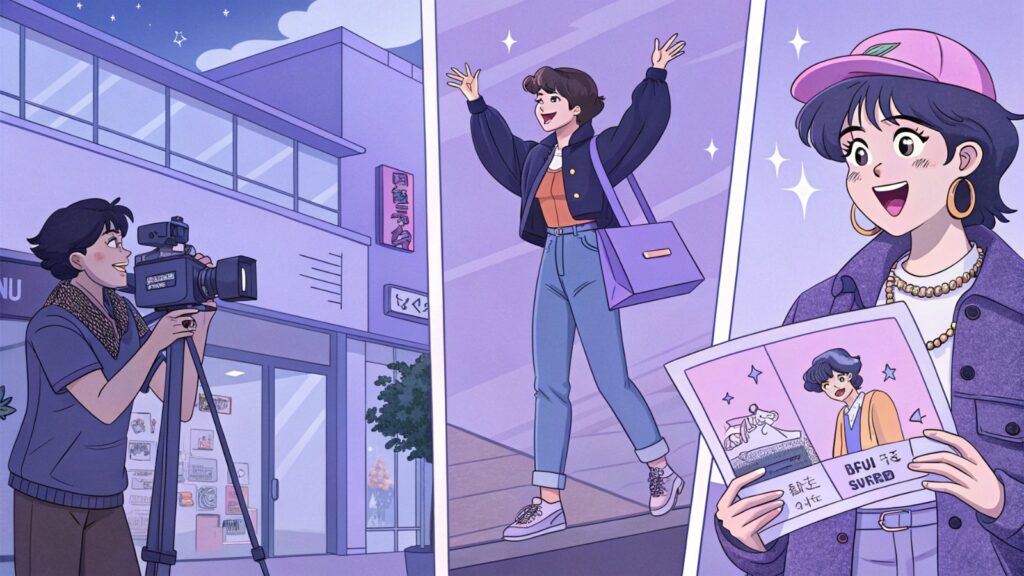
- Fashion labels post product drops with editorial flair.
- Streaming services create character-driven skits to tease new shows.
- Tech brands demonstrate features in compact, high-impact videos.
Fashion and lifestyle brands like Myntra and Pepperfry, which primarily target millennials and Gen Z, update almost everything through Stories — from new collections to mood shots, consumer feedback, and celebrity collaborations.
2. Community Building :
Stories create rhythm and repetition in audience relationships:
- Daily behind-the-scenes updates
- Reposting user-generated content
- Limited-time offers, polls, Q&As
- Sharing aesthetic moodboards
For example, Apple’s “Shot on iPhone” campaign isn’t just about showcasing a camera — it’s about creating a global creative community.
Similarly, GoPro’s Stories and Reels aren’t selling cameras; they’re selling experiences — free falls, deep dives, and cliff jumps that make you want to live the brand.
3. Creating Shareable Content :
In Reels and Stories, shareability is currency.
When content strikes the right chord — humor, relatability, empowerment, beauty — users don’t just watch; they share.
- Product moments are framed as emotional cues: “That’s so me!” or “This is goals!” which use emotional triggers like trending music or formats.
- Many lean into meme culture, hiding brand messages inside entertainment.
The OGs of shareable content in India?
Zomato, Swiggy, and Fevicol — pioneers who mastered meme marketing long before it was fashionable.
Another clear example is Pioneer, a well-known stationery and notebook brand in India with a strong market presence in the eastern region. But initially they didn’t have a social media presence. When we began working on their digital journey, our focus wasn’t just on building a presence — it was about crafting content that people would genuinely want to engage with and share. Through thoughtful content planning, clear positioning, and creating moments that invited connection, Pioneer saw a remarkable shift: an 11.2 million percent increase in reach, a 43.8K% growth in followers, and 29 million views on Instagram alone that too within just one year.
The Real ROI? Identity.
Reels aren’t ads. Stories aren’t announcements.
They are extensions of personal identity for the user.
When users engage, they’re not just endorsing your product — they’re aligning themselves with your brand narrative . This shift includes:
- From logic to emotion
- From persuasion to participation
- From advertising to actualisation
According to TikTok’s internal data, campaigns using organic storytelling with brand layers saw up to 142% higher engagement rates than traditional ads.