



Future of Branding: How Kolkata Brands Are Evolving
Nov 14, 2025
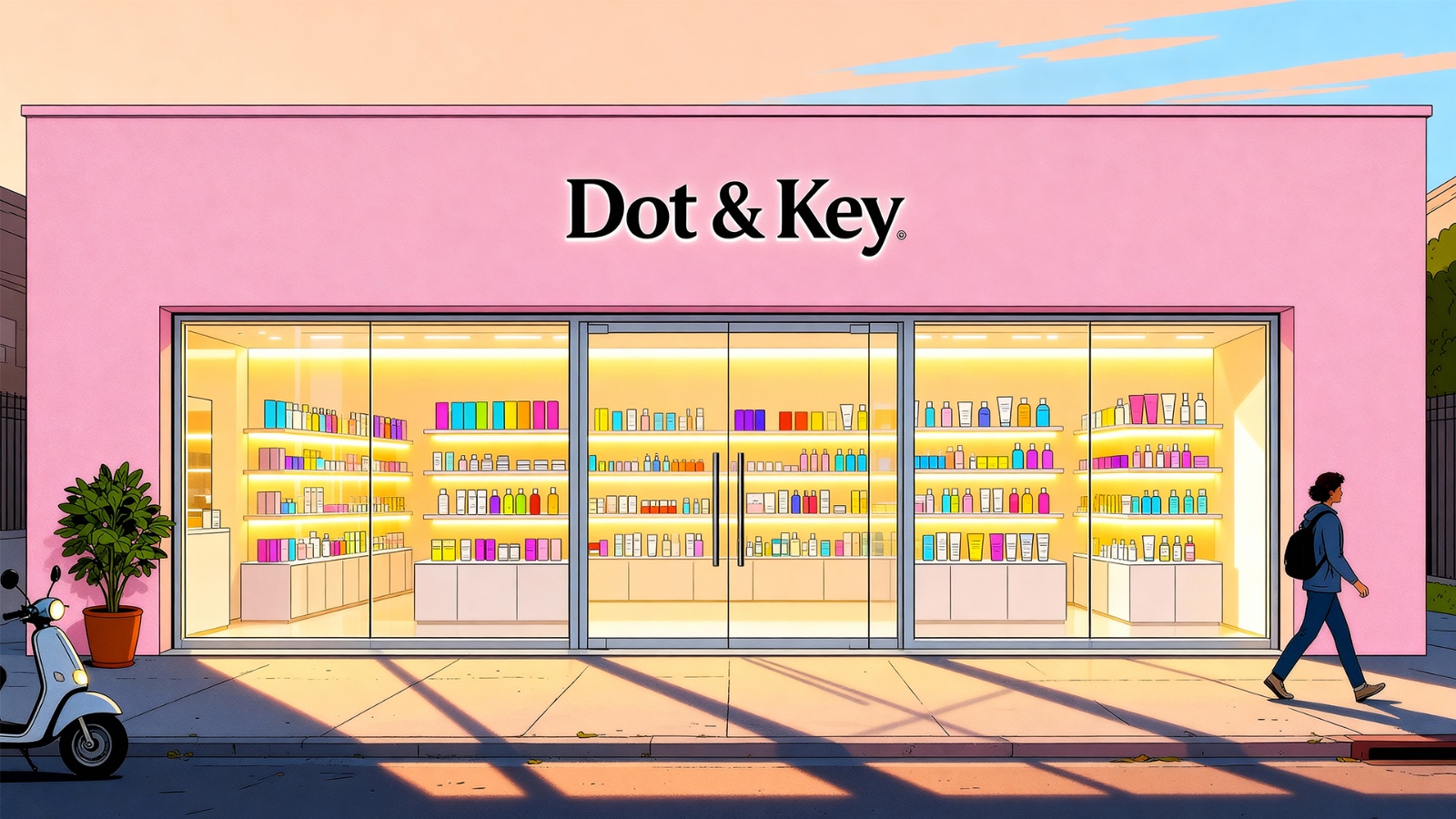
In Kolkata’s bustling start-up ecosystem, one brand stands out for having made the leap from city-centric to national: Dot & Key. Founded by Kolkata-based duo Suyash Saraf and Anisha Saraf in 2018, the brand set out to deliver “fruit-based, targeted skincare” solutions at a time when Indian beauty brands were still catching up with millennial and Gen Z sensibilities.
What’s striking is how Dot & Key scaled. By FY25, its reported GMV reached approximately ₹910 crore and its net sales value about ₹529 crore, representing more than 115% year-on-year growth, according to Inc42 Media. It achieved this feat against the backdrop of the Indian beauty and personal care (BPC) market, projected to hit around US$28 billion by 2030.
Dot & Key’s growth strategy provides a useful lens through which to examine how Kolkata-based brands are evolving their identities and how that evolution reflects broader shifts in branding. Let’s unpack this through key branding vectors, then zoom out to see how other leading Kolkata-born names are applying them.
Customisation is the New Conversation Starter
Branding used to be about speaking to consumers. Now, it’s about speaking with them.
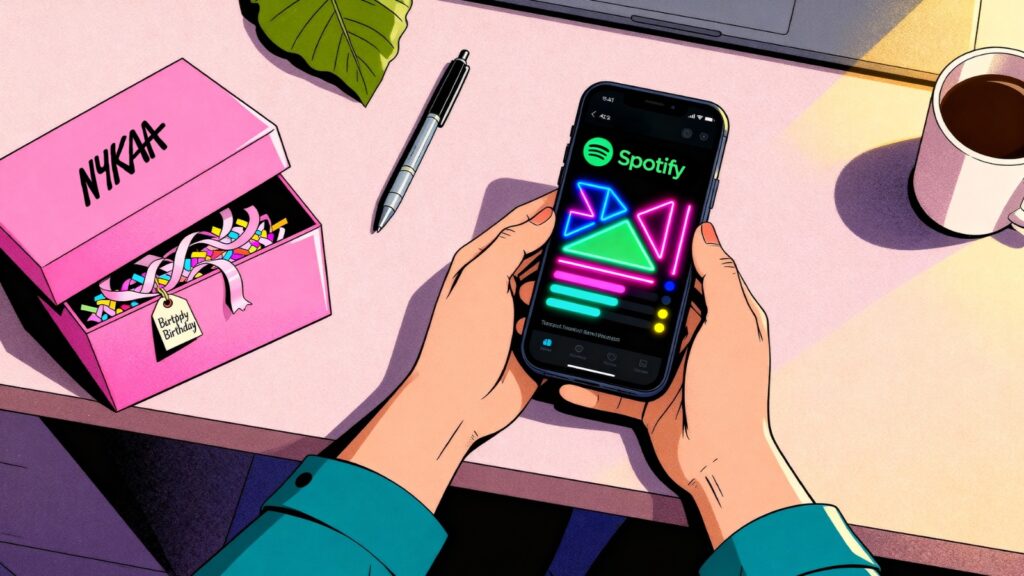
From Nykaa’s birthday gifts to Spotify’s “Wrapped” playlists, the message is clear: consumers don’t just want products, they want recognition. The small gestures—one’s name on an email, a reward for loyalty, a tone that feels like a conversation—are the quiet acts of hyper-personalisation that are shaping brand identity.
According to Deloitte’s 2024 Global Marketing Trends Report, 94% of consumers prefer brands that act with purpose beyond profit. This explains why campaigns built around empathy, inclusion, or sustainability often travel further than even the most expensive ads.
Kolkata’s brands, too, are catching on. The Daily Café at Deshapriya Park doesn’t rely on grand gestures but on micro-personalisation. The baristas remember regular customers’ orders, and the brand’s Instagram often reposts community photos, tagging patrons by name. They even run “Daily People” stories highlighting loyal customers and their favourite corners, creating a quiet circle of belonging.
This is local personalisation in its purest sense: you’re not just a customer; you’re part of the brand’s ongoing narrative.
Branding as a Living Experience
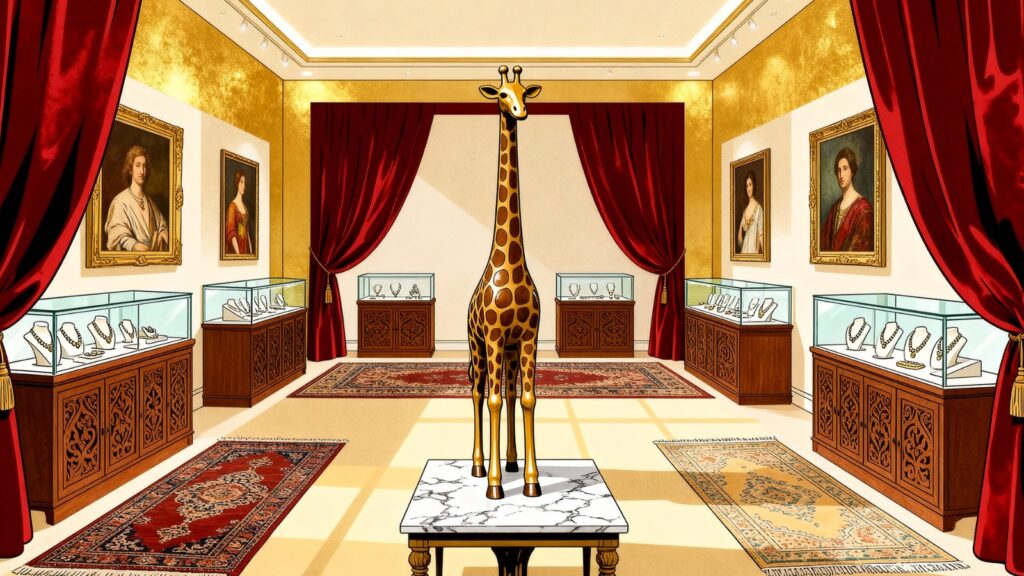
One of the most intriguing shifts in the post-pandemic era is how brands have turned experiences into their core identity. A store, a website, or even a scent can become part of a brand’s personality.
When you walk into a Sabyasachi store, it feels like entering another world. Every texture, light, and sound is designed to evoke his vision of timeless Indian luxury. The same is true, in a different way, for 6 Ballygunge Place. Its colonial interiors and careful use of nostalgia are not just décor choices; they are narrative cues that remind the diner of what the brand values: memory, warmth, and belonging.
This kind of immersive storytelling isn’t exclusive to luxury. It’s becoming essential. Even digital-first brands are investing in sensory design to create moments that feel real and lasting.
Technology that Feels Human
Artificial intelligence and machine learning have brought efficiency and precision to marketing, but the true opportunity lies in emotional intelligence. Consumers no longer want to be tracked; they want to be understood.
As third-party cookies disappear and consumers grow increasingly concerned about privacy and scams, the smartest brands are now using data to anticipate rather than intrude. They personalise recommendations, streamline journeys, and refine experiences without showing the machinery behind them.
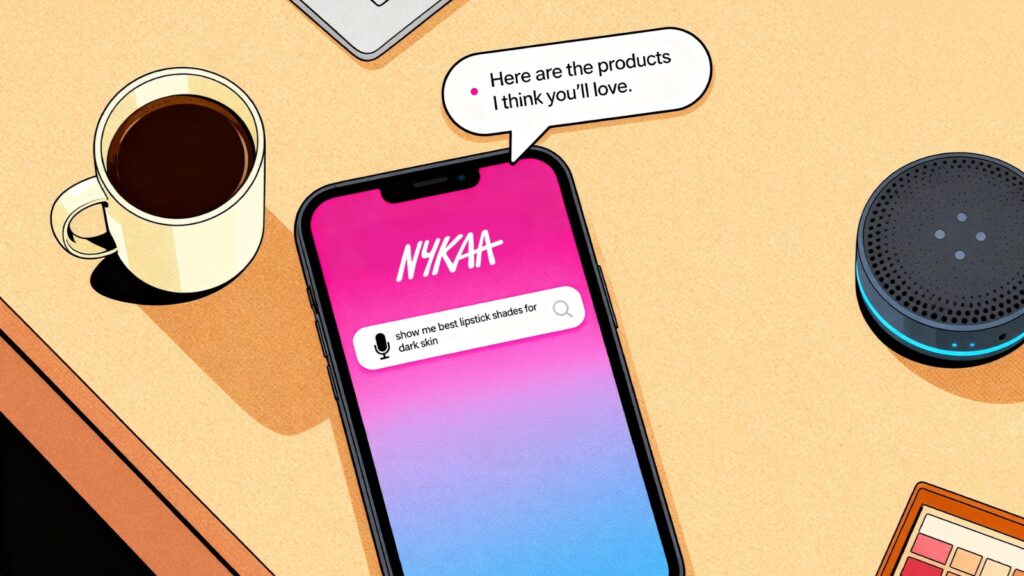
This humanisation of technology is shaping the next decade of brand identity. AI-driven systems are learning to respond not just to data but to context. Voice-led interfaces are giving brands new emotional tones. Nykaa’s voice search mimics human conversation, and Amazon’s Alexa integrations make even mundane shopping feel companion-like.
Neural language models help brands like Grammarly and Notion craft communication that adapts to user emotion. Adaptive websites now change their visuals based on user behaviour; Nike’s adaptive homepage and Gucci’s personalised virtual store are prime examples.
Kolkata’s emerging design and retail businesses are adopting this logic in subtle ways. From AI-driven inventory management in boutique stores to personalised event curation in lifestyle brands, the city’s creative entrepreneurs are blending technology with touch.
Proactive, Not Performative
The future of branding demands initiative. Audiences today are weary of grand gestures that feel hollow. They reward small, authentic actions instead—pop-ups that bring communities together, collaborations that feel unexpected yet right, or campaigns that spark joy instead of cynicism.
Brands that surprise, delight, and invite play are the ones people remember. Think of Duolingo’s mischievous owl or Zomato’s cheeky tweets.
This is the difference between brands that chase trends and those that set the tone. The latter don’t wait for cultural moments; they create them. Whether it’s a food label experimenting with AI-generated recipes or a fashion brand hosting a craft revival workshop, proactivity is what keeps identity alive.
“Talk of the Brand”: The New Language of Communication
Brand language has changed dramatically over the last decade. Once formal and declarative, it’s now conversational, spontaneous, and playful. The most effective brand voices sound like people, not press releases.
The smartest communication strategies now emerge not from advertising boards but from social listening. Every reel, every story, every comment thread has become a space where tone and timing define identity.
Reels, in particular, have become a testing ground for personality. Kolkata’s independent brands have embraced this with flair. Hanglatherium’s Instagram Reels often merge humour, nostalgia, and food philosophy in a way that feels effortless. Their posts don’t sell a menu; they sell a moment.
Blurring Real and Virtual
As digital fatigue grows, hybrid experiences are becoming the new currency of attention. In India, brands are beginning to use augmented layers to deepen their cultural narratives: a virtual walkthrough of an art installation, an interactive food history map, or a digital archive of textile crafts.
These aren’t gimmicks. They are ways to extend the story beyond physical limitations, helping audiences see, touch, and feel a brand’s world even before engaging with it.
When Gucci opened Gucci Town inside Roblox, it gave fans a virtual street to walk through—a digital version of its creative world. Nike’s Nikeland did the same. Closer home, Tanishq’s virtual try-on mirrors and Lenskart’s 3D AR frames are bringing tactile convenience into digital spaces.
Even small brands are stepping into the “phygital” zone. Kolkata’s boutique design houses are experimenting with AR filters that let customers preview jewellery or décor in their real environments. During festive campaigns, some cafés and lifestyle brands have hosted hybrid pop-ups that blend on-ground experiences with online storytelling.
Debranding: When Less Says More
Here’s the biggest shift of all. Consumers today can detect a sales pitch from a mile away. Too much branding now feels like no branding at all.
A 2024 Edelman Trust Barometer study found that 63% of consumers are more likely to buy from a brand that tells stories about shared values rather than directly promoting products. This is why “debranding”, the subtle art of toning down the hard sell, is now the smartest branding move.
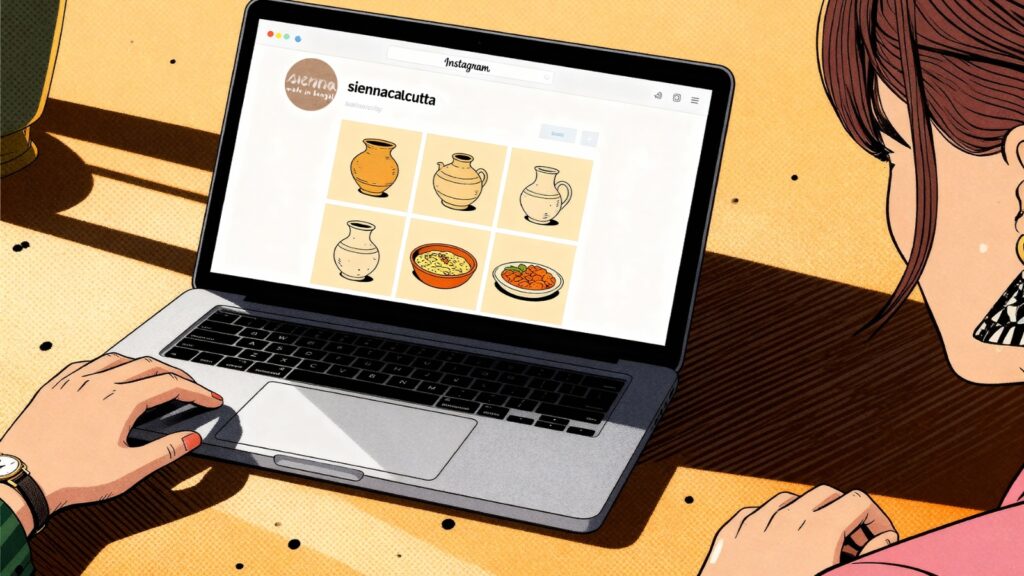
Sienna, a Kolkata-based ceramic and lifestyle brand, has quietly become a textbook example of soft branding. Their Instagram feed rarely features products in a salesy way. Instead, it’s filled with poetry, pottery, and glimpses of slow, authentic living in the city.
The Rise of Communities
Modern branding no longer stops at a purchase. It extends into shared spaces—both online and offline—where customers become co-creators. From Sephora’s beauty forums to regional art collectives, communities are where identity gets reinforced through participation.
Kolkata’s creative ecosystem thrives on this very idea. Cafés that double as art galleries, bookshops that host music nights, and design houses that collaborate with rural artisans are all community touchpoints that transform consumers into believers.
Backlinks and Visibility
In the digital age, a brand’s reputation doesn’t live only on its own page; it thrives in how the world talks about it. Every mention, feature, or collaboration becomes a mirror reflecting legitimacy.
A backlink is a link from one website to another, often appearing in online articles or media features. It acts as a digital endorsement, strengthening a brand’s visibility and authority by signalling that credible sources recognise and reference it.
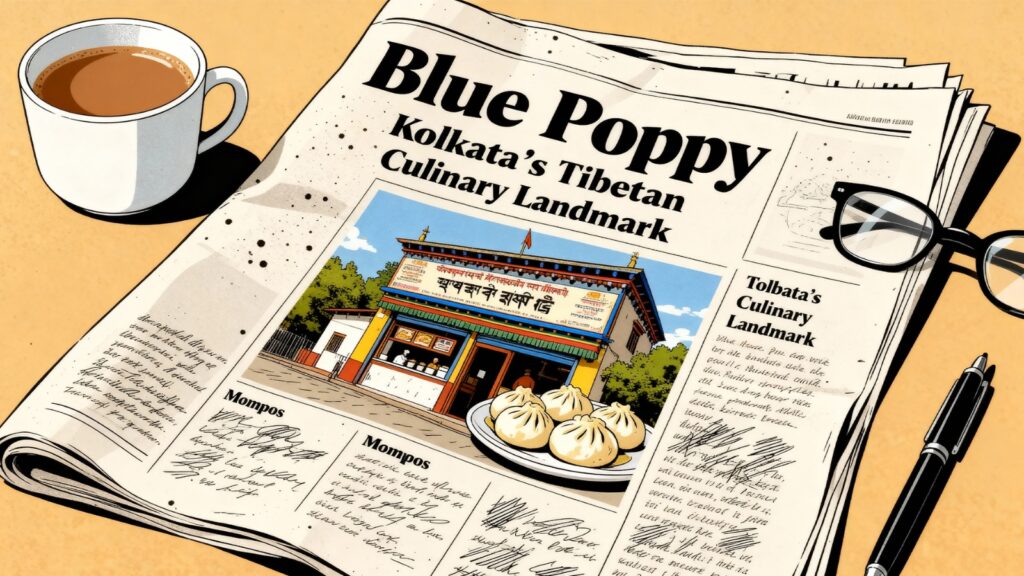
For instance, when Blue Poppy, one of Kolkata’s most loved Tibetan eateries, was featured in The Telegraph and multiple food blogs for its fusion menu and community legacy, it wasn’t just good PR; it was reputation architecture. Those mentions deepened its identity as more than a restaurant; it became a cultural landmark.
According to HubSpot’s 2025 Brand Trust Index, 68% of users are more likely to engage with a brand they’ve seen mentioned on a trusted platform, even once.
By 2026, branding will feel less like an exercise in design and more like an act of empathy.
Consumers will reward brands that stand for something, simplify choices, and make them feel seen.
For Kolkata’s new generation of entrepreneurs, this presents a rare advantage. The city, shaped by creative storytelling, craftsmanship, and introspection, is already aligned with where global branding is heading. It is a place that understands emotion, and in branding, emotion is everything.
At our agency, we have been doing this for over 25 years, taking care of the technical aspects while never compromising on the softer core. The connection that our clients feel becomes the emotion their consumers experience. Because while design and strategy create recognition, it is feeling that creates loyalty.
One of our recent projects, Prana Homes, reflects this belief. With a vision to bring heart into the home, Prana Homes creates furniture, accessories, and games rooted in spiritual mindfulness, each crafted to harmonise everyday life. The brand’s identity draws inspiration from the idea of flow—the rhythm that connects all living things, from the meandering path of a river to the steady beat of a heart.
To capture this essence, we designed a signature-style logo with looping, free-form strokes that symbolise rise and fall, movement and calm, and the continuity of life. The visual language is complemented by a palette of pastel blue and earthy brown, evoking the openness of the sky and the grounding touch of the earth.
For us, branding is about more than identity. It is about giving life to a vision. Every brand has a heartbeat, and our role is to help it find its rhythm.
If your vision shares that spirit, let us begin a journey that fulfils. Let us dream big, together.
Next Story
AI in Packaging Design India | The Creative Shift Is Here
Dec 1, 2025
In Kolkata’s bustling start-up ecosystem, one brand stands out for having made the leap from city-centric to national: Dot & Key. Founded by Kolkata-based duo Suyash Saraf and Anisha Saraf…
Read More
