




How Professional Brochure Design Boosts Marketing for Startups and Enterprises
Oct 31, 2025
The phrase “know the time without seeing you have 1,249 unanswered emails” was part of a brilliant Timex billboard campaign that poked fun at the chaos of modern smartwatches. The ad’s message was simple: sometimes, less is more. In a world drowning in constant notifications and digital noise, the analog watch offered peace — a straightforward way to check time without distractions.
Your marketing communication works the same way. Amid endless pop-ups, junk emails, and unskippable ads, a brochure gives people a straight-cut way to connect with your brand. It allows them to see important information without searching for it among digital overpopulation.
Many startups today believe brochures are no longer necessary, given the dominance of digital marketing. But that idea is misleading. While online content has limited memory in a consumer’s mind, the impact of a well-designed brochure strives to hold a greater retention. Brochures allow customers to absorb a message at their own pace with static visuals that are sometimes more effective than motion graphics.
Why B2B Sectors Are Ideal for Brochure Marketing
When it comes to business-to-business (B2B) marketing, brochures still hold unmatched power. Unlike B2C communication, which focuses on emotion and quick conversions, B2B buying decisions are often longer, information-driven, and trust-based. This makes brochures a natural fit for startups and enterprises looking to make a strong impression in professional settings.
In B2B markets, every purchase decision involves multiple stakeholders — from procurement teams and managers to C-suite executives. These professionals don’t buy on impulse; they assess based on credibility, clarity, and substance. That’s exactly what a brochure provides: a structured, tangible medium that communicates value with precision and confidence.
For B2B startups, a brochure is often the first impression that establishes legitimacy. In a competitive landscape where brand trust is still forming, a well-crafted brochure bridges the credibility gap — showcasing professionalism, simplifying complex offerings, and presenting a cohesive brand identity. It reassures potential clients that your business is capable, informed, and reliable.
Beyond awareness, brochures function as a practical sales asset. Unlike a fleeting ad or transient social post, a printed brochure can circulate among decision-makers, be discussed in meetings, and revisited during negotiations. It gives your audience something tangible to hold, read, and remember.
Additionally, B2B partnerships often involve high-value products or services that require thorough understanding, such as financial services, software solutions, manufacturing equipment, or real estate projects. A brochure allows these startups to present detailed data, visuals, and benefits in one cohesive format without overwhelming the reader.
Even in the digital age, many industries prefer tangible materials that reflect professionalism. According to a FedEx Office survey, 85% of consumers, including business clients, believe that professionally printed marketing materials help establish a company’s credibility. In a world where digital clutter is constant, a well-crafted brochure becomes a refreshing, credible reminder of your business.
Industries That Benefit the Most
Some industries gain more from brochures than others because of the nature of their offerings. These sectors rely heavily on detailed information, visuals, and trust — three pillars that make brochures highly effective.

Real Estate
In real estate, brochures are essential tools for property marketing. They help agents and developers:
They help:
- Showcase property details, floor plans, and high-quality visuals.
- Offer a tangible reference that buyers can revisit during decision-making.
- Build emotional connection by presenting lifestyle narratives and neighborhood highlights.
- Enhance brand credibility with premium finishes and elegant design.
Travel and Hospitality
Tourism businesses rely heavily on brochures to attract and inform visitors. According to a Bentley University study, 79% of travelers pick up brochures, and 85% discover new attractions through them. Travel agencies, hotels, and resorts use brochures to inspire visitors with vivid imagery and easy-to-understand itineraries.
- Destinations use them to promote attractions and travel itineraries.
- Hotels and resorts highlight their amenities, dining, and local experiences.
- Event organizers distribute brochures as handy guides or schedules for conferences and exhibitions.
Financial and Insurance Services
Finance and insurance rely on trust. Brochures help simplify complex products and reassure clients about their choices.
- Advisors use them to outline services, investment plans, and credentials.
- Banks use them to present account types, loan details, and benefits.
- Insurance companies explain policy options and coverage terms clearly and concisely.
Healthcare and Wellness
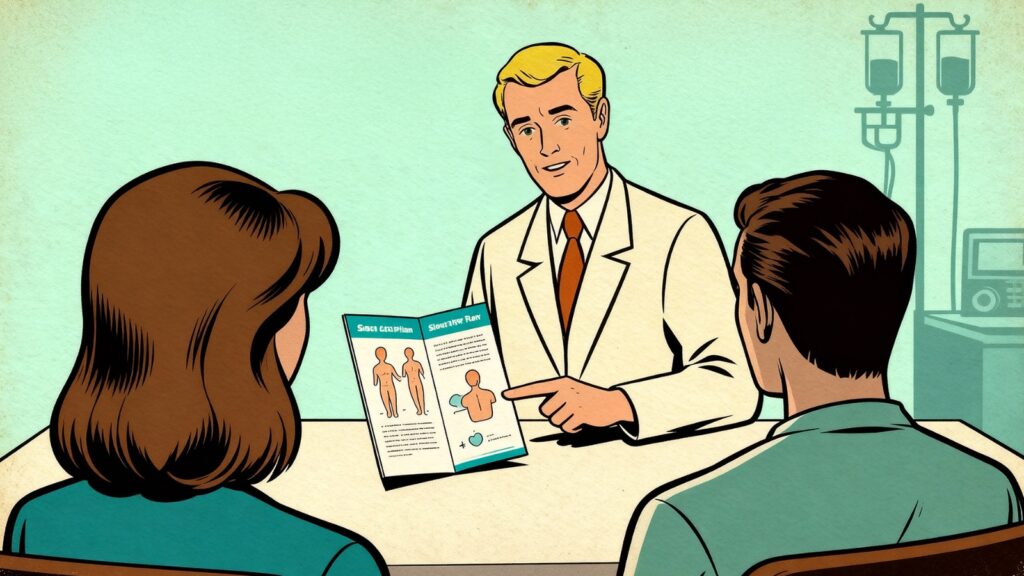
Hospitals, clinics, and wellness centers use brochures to explain medical services and treatment plans. For B2B players in the healthcare industry like equipment suppliers, diagnostic startups, or health-tech firms — brochures serve as a key educational and marketing asset that communicates value to institutions and partners.
Manufacturing and Industrial Solutions
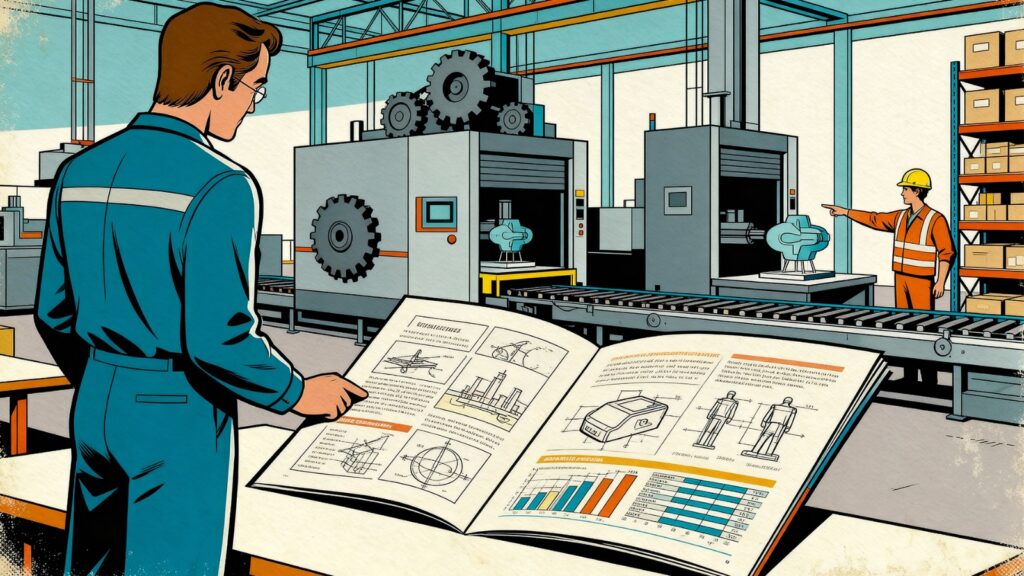
Brochures are a strong fit for manufacturing startups or suppliers who need to display technical specifications, case studies, or product ranges. In an industry where decisions are highly technical, a brochure provides the perfect blend of visuals, data, and brand narrative.
Where to Distribute Brochures for Maximum Impact
Brochures work best where people naturally have time and attention to spare. They thrive in physical environments that encourage browsing and engagement.
On-Premises Placement
Brochures in reception areas, waiting rooms, or dining spaces capture attention when customers are most receptive. Healthcare clinics, salons, banks, and restaurants often place brochures strategically where visitors can easily pick them up and learn more.
Events and Trade Shows
At expos, conferences, or networking events, brochures serve as tangible reminders of your brand. While digital ads fade away after the event, a brochure continues to inform and influence potential customers even after they leave.
Direct Mail Campaigns
Printed brochures remain a powerful part of direct mail marketing. When paired with personalized letters or offers, they can make a strong impression. According to the Data & Marketing Association (DMA), direct mail has a response rate of around 4.4%, compared to just 0.12% for email marketing. Tangibility builds trust and encourages action.
Retail and Service Businesses
Brochures help small businesses and local stores showcase services, menu options, or special promotions. They act as takeaway menus or reference guides that customers can revisit later.
So, is there really a competition between brochures and digital marketing?
Not at all.
Every medium has its purpose, and when used together, they can build a stronger, more credible brand presence. Brochures play a key role in the early stages of a startup, when trust and visibility are still being earned.
As a creative agency in Kolkata, we believe that every strong brand begins with strategy, and every piece of marketing collateral serves a distinct purpose. If you’re a startup seeking a partner who can align with your goals, define your narrative, and craft your brochure as a strategic campaign, we’re here to help you make that impact.
Next Story

How to Choose the Right Branding Agency in Kolkata
Nov 7, 2025
The phrase "know the time without seeing you have 1,249 unanswered emails" was part of a brilliant Timex billboard campaign that poked fun at the chaos of modern smartwatches. The…
Read More
